Texas proposes 13,000% licensing fee hike on retailers who sell hemp-derived THC
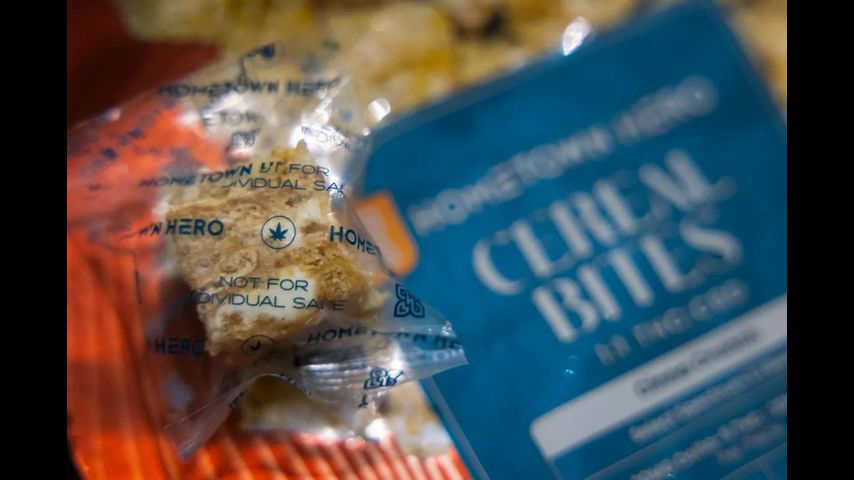
Texas state health officials have proposed raising licensing fees by as much as 13,000% for some hemp businesses, among a slate of changes that many industry members and advocates say will shutter small operations in favor of large out-of-state companies.
Supporters of this change say this is necessary to strengthen oversight on an industry that they say has grown out of control.
Late last month, the Texas Department of State Health Services published a set of proposed rules to tighten regulations on consumable hemp products, including establishing a minimum purchasing age of 21, along with age verification requirements and mandatory product recalls, which are measures that the hemp industry supports. However, two of the proposed rules that have caused the most heartburn among advocates and businesses are new testing requirements and increases in licensing fees. Manufacturer licenses would increase from $250 to $25,000 per facility per year and retail registrations from $150 to $20,000 per location per year, an increase of over 13,000%.
Industry members say the new requirements on testing THC levels in consumable hemp products would eliminate the use of the hemp flower in manufacturing products like edibles and smokeables because hemp flowers naturally contain THC levels higher than the new limit. They say eliminating the use of hemp flowers would allow more synthetically derived THC, such as delta-9, to flourish.
“The proposed rules wipe out about 80% of what all shops sell, including ours, which is natural hemp flower, and the total THC rule would definitely just wipe that out,” Scott Stubb, owner of Kemah-based Sublingwell Cannabinoids and Euphorics, told the state health agency during a public hearing on the rules Friday. “Then you add the fees being $20,000 for each shop, I don’t know, honestly, how we would be able to stay open.”
Hemp distributors said the new licensing fee is a fundamental restructuring of who can afford to operate legally in Texas.
“DSHS’s fiscal analysis assumes that nearly all currently registered retailers will pay the proposed $20,000 fee, generating more than $200 million in annual revenue. This assumption is unrealistic. Many small businesses simply cannot absorb this level of cost and will be forced to shut down rather than renew,” said Heather Fazio, director of the Texas Cannabis Policy Center, in a statement submitted for public comment.
Fazio said the licensing and registration fees should be structured to recover the reasonable costs of effective regulation, not to function as a revenue mechanism that drives businesses out of the regulated market.
“The department’s own estimates show that the increased costs of administering these rules are minimal. In that context, it is unclear why such dramatic fee increases are necessary or justified,” she said.
Supporters of the licensing fee increase said this is a necessary step to protect children from hemp products and want more enforcement of penalties on hemp stores that operate without a license.
“Cannabis advocates say this is a billion-dollar industry. It’s fair and appropriate for the people who profit from selling a billion dollars in intoxicating products to create fees that help cover the cost associated with the regulation and societal burden of the product,” Betsy Jones, director of policy and strategy at Texans for Safe and Drug-Free Youth, told the state health agency.
Aubree Adams, director of Citizens for a Safe and Healthy Texas, called for more regulations on the industry, including raising the minimum age to purchase to 25 and requiring that hemp businesses also help pay for public education, data collection, treatment, infrastructure, and more.
“This issue before the state is the normalization and promotion of retail teams driven by chemical manipulation and misleading information,” she said
Multiple veterans also spoke out against eliminating products naturally derived from hemp flower because many rely on them to sleep or address issues like PTSD and anxiety.
“I spent 16 months overseas and used a lot of different pharmaceuticals that were dangerous and caused seizures and physical harm to me. These health products have given me my life back and allowed me to go back to work,” said Adam Peterson, a combat veteran from San Antonio. “A total ban on the THC will basically eliminate access to good medicine that is actually helpful for me.”
Fazio said removing regulated access to hemp flower will not eliminate consumer demand. It will just push people back into the unregulated market.
“The outcome runs counter to the public-health objectives these rules are meant to advance,” she said.
The Texas Alcoholic Beverage Commission and the Texas Department of State Health Services have both proposed new rules aimed at regulating the consumable hemp market to fulfill an executive order by Gov. Greg Abbott.
The two agencies are working together because neither has jurisdiction over the entire landscape of retailers that sell consumable hemp products. For example, TABC rules wouldn’t apply to 8,000 licensed hemp retailers who fall under the Department of State Health Services, including smoke shops, gas stations, and online retailers that do not sell liquor and presumably do not hold a liquor license. The same can be said for 60,000 TABC license holders, such as restaurants and liquor stores. TABC has not yet proposed any changes to their licensing fees for businesses selling consumable hemp products.
The executive order came after the Texas Legislature spent the better part of last year debating whether to ban consumable hemp products or just provide stricter regulations over the industry. A total ban approved by both the House of Representatives and the Senate was vetoed by Abbott last summer. The governor then put THC regulation on the agenda for two consecutive special sessions, but lawmakers were unable to find a compromise before the end of the second session.
Rather than call a third special session, Abbott issued his executive order, bypassing the Legislature. The decision has put Abbott at odds with Lt. Gov. Dan Patrick, who has been an ardent supporter of a ban on consumable hemp products.
After months of uncertainty over the Legislature’s consideration of a total ban, THC industry representatives largely celebrated Abbott’s order at the time, saying it would allow THC to further establish itself as a legitimate industry in the state.
However, some members of the industry consider the proposed rules very similar to a ban.
“When the governor vetoed that bill, he was amplifying our voices and adopting the fee structure from that same bill undermines that outcome,” Hayden Meek, owner of Denton-based Delta Denton, said. “A $20,000 fee is dropped in the bucket for multi-state corporations; for a single location shop like mine, it's a death by 20,000 cuts.”
This article first appeared on The Texas Tribune.
More News