Texas to launch a statewide food truck permit on July 1

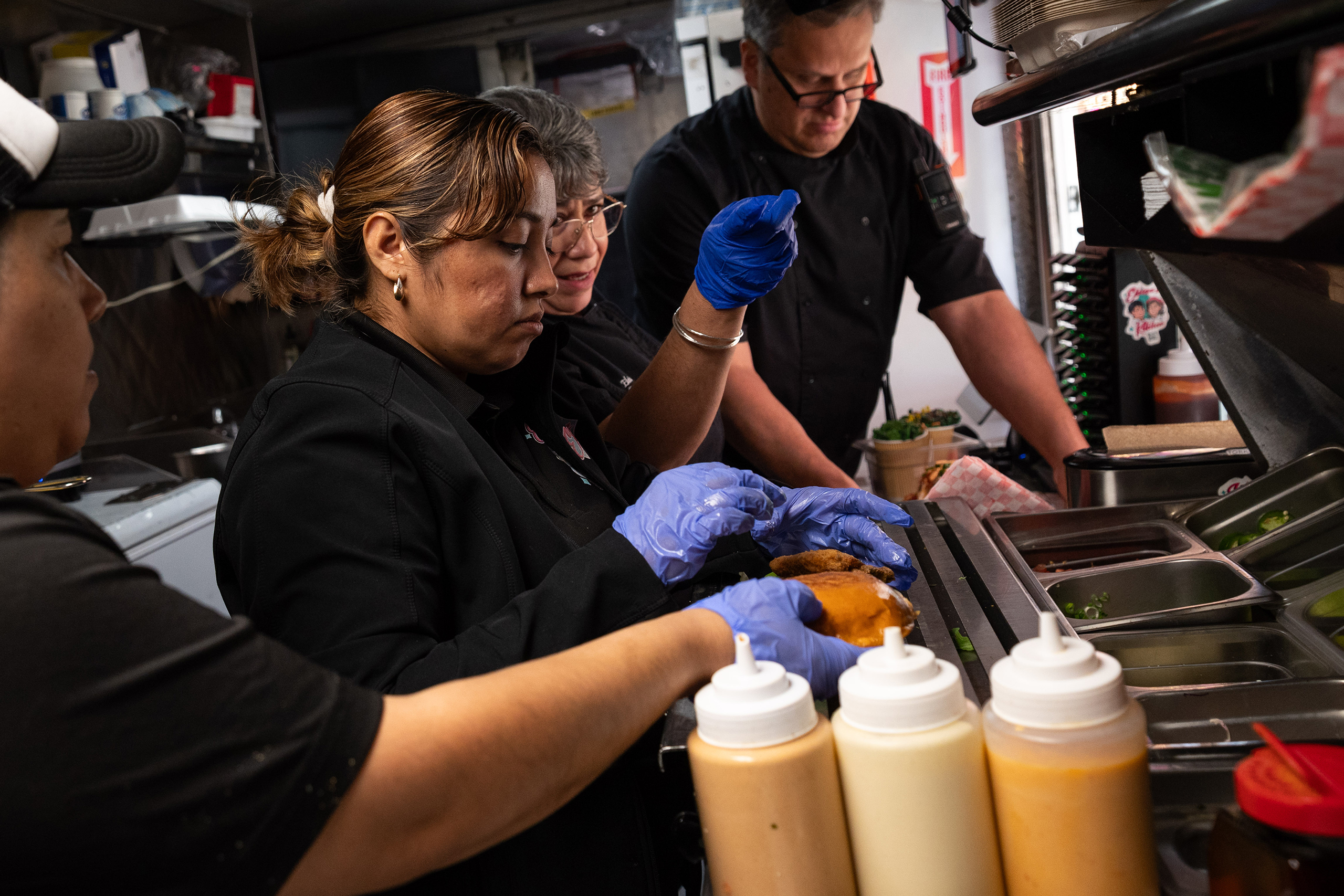
Eloisa Schessler and her husband started Eloisa’s Kitchen Food Truck in Dallas to help their daughter. Their daughter had suffered a head injury, and had become a shell of her former self. They worked diligently to create a small business where their daughter not only serves as the sous chef, but she also is responsible for the entire creative design of the truck. Slowly, they started to see their daughter revert back to her former self.
But government red-tape is preventing her food truck and others from growing. The family wants to travel to other cities to serve their food, but each city requires them to apply for a permit, which is not only very costly, but requires the family to take the day off of work to do another city’s inspection.
“It’s a hassle to take time off to go and do that where we have to stop what we’re doing and lose money that day,” Schessler said.
But House Bill 2844, which passed last year and goes into effect July 1, could relieve the Schessler family and the statewide food truck industry from some of the financial pressure.
The new state law outlines that the Department of State Health Services (DSHS) will create a statewide operating permit that will apply to any food truck in Texas. Currently, food truck owners must pay each city’s permitting fees to operate there, which can cost several hundreds of dollars per jurisdiction, even though inspection requirements are largely the same across cities and counties. Consequently, food truck owners have said they feel discouraged from traveling to other places to sell their food, suppressing their business growth.
“It’s an opportunity to work anywhere, because we limit ourselves to a certain area only because we can’t afford to be going to every single city that we really want to go to,” Schlesser said.
Some cities oppose the new statewide license because without their authority, both cities and counties fear they may lose control of how their mobile food trucks operate in their locations. Local governmental entities control where and when the food trucks operate in their jurisdiction, but they won’t be able to collect permit and inspection fees anymore.
For instance, the City of Dallas charges a $481 application fee and $562 plan review fee for trucks new to their jurisdiction, as well as $185 for an annual permit. Anthony Spanel, City of Amarillo’s Environmental Food Director confirmed that the city previously charged between $800 and $900 for a permit and other fees for a truck new to their jurisdiction.
Currently, DSHS is working to finalize implementation plans. HB 2844 requires the state to license food trucks in three different categories, depending on how food truck operators prepare their food. The lowest tier license is for trucks selling prepackaged foods and the highest tier are for those that cook food in their trucks.
DSHS estimates that it will license about 19,000 food trucks statewide. Food trucks, depending on the type on the license tier, will end up paying between $300 to $1,350 for the initial application and pre-licensing inspection, and between $300 to $850 per year for license renewal. Some of them will also pay up to $500 per inspection.
The bill also creates a public database that will include a list of food trucks statewide and their inspection results, public complaints and more. Additionally, the state will penalize food trucks with administrative fees, a license suspension or revocation if they do not meet licensing requirements.
State Rep. Brooks Landgraf, R-Odessa, authored this bill after he spoke with food truck owners in his district about how they were losing profit to pay for so many cities’ licensing fees. What he thought was an issue unique to his community was actually a statewide issue.

“In many cases, they want to do business in different jurisdictions, different towns, different communities, different counties, and they found themselves having to get basically the same inspection for the same type of permit in multiple jurisdictions. Even though the standards weren’t all that different in most cases, but it was really just an additional fee that had to be paid for something that had already been done,” Landgraf said
Landgraf also talked with local governmental bodies. Landgraf maintains that cities and counties can still require businesses to follow their local fire codes and zoning laws so that local officials can still decide where food trucks can locate.
The bill doesn’t require cities and counties to aid in any inspections. Though, local health departments have the option to choose to partner with the state to conduct these inspections. If they choose to help they are reimbursed for the work.
“There is absolutely still local control,” Landgraf said. “The bill that we passed last year … really only has to do with the health inspection permit authority.”
Currently, in Amarillo there are 233 licensed food trucks. Prior to the implementation of the bill, food trucks were charged between $800 and $900 dollars, which equated to an estimate of $185,000 per year for the city.
In Amarillo, Darcy Marvin, owner of Sweet Sipz, which sells desserts and dressed up sodas, has the same issues as Eloisa’s Food Truck Kitchen: too many permit fees that take away from generating revenue.
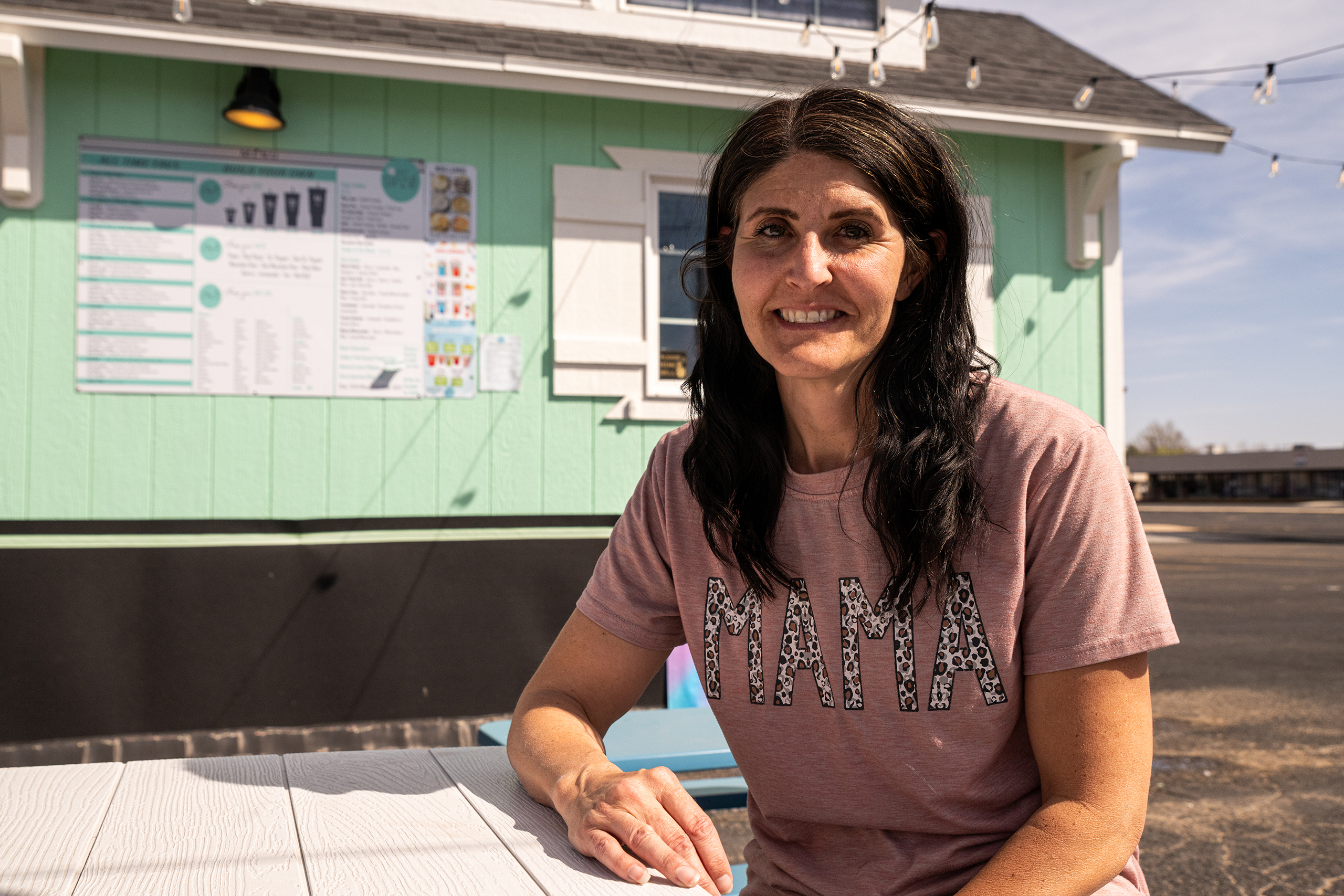
Marvin said she has to pay double the permitting fee that Amarillo charges because she owns both a truck and trailer. In addition to the fees she pays to multiple cities, she winds up paying $3,000 per year.
“Three to five percent of my profit went to permits and fees,” Marvin said.
However, with the implementation of the bill, she will now only pay a fraction of the cost for a statewide permit.
Additionally, when they want to travel to a new city, food truck owners have to head there ahead of time to undergo inspections. City health inspectors will test the overall cleanliness of these food trucks. Inspectors will check the temperatures of fridges to ensure food is being stored properly. They’ll check for running hot water, how waste is being disposed of, and even how these businesses are storing wet rags. It’s a lengthy process that requires lengthy preparation and food truck owners to shut down business for the day.
The new statewide permit “frees up more money that we can use for ourselves or to grow our business because we’re not paying the fees every year,” Marvin said.
While many of these small business owners are excited about the new statewide license, some local government officials are concerned. Georgetown mayor Josh Schroeder says the government operates best at the local level, and there weren't any local officials who asked for this change.
“We are just opposed to any movement to strip local control and take that and move that authority to the state level,” he said.
Officials from multiple urban counties and cities have said they also fear the new statewide food truck program would create an unfunded mandate. While the state will not require cities and counties to conduct inspections, local public health officials said they expect to have some role in responding to food truck violations even though they will not be able to collect revenue from food truck permits.
“Yes, we anticipate continuing to respond to complaints and assist with investigations. This will present challenges, as we may be required to allocate staff time and resources without the associated revenue previously used to support these functions,” said Edrea Au, spokesperson for Dallas County Health and Human Services Department, which oversees 758 food trucks in its jurisdiction.
Travis County has about 2,000 licensed food trucks, which generated about $610,000 for the city of Austin in fiscal year 2025, according to Austin Public Health officials. Even with the lost revenue, Austin public health officials said they will work with DSHS and local food trucks to transition to the new statewide licensing program. They fear shifting oversight to the state will delay responses to food truck violations.
“For larger cities like Austin, they lose some local authority, which limits their ability to tailor public-health oversight to community needs, particularly on the loss of local enforcement. By shifting enforcement to the state level, imminent public health hazards will take more time to address than if the oversight had remained with local municipalities,” said William Malm, spokesperson for Austin Public Health.
-
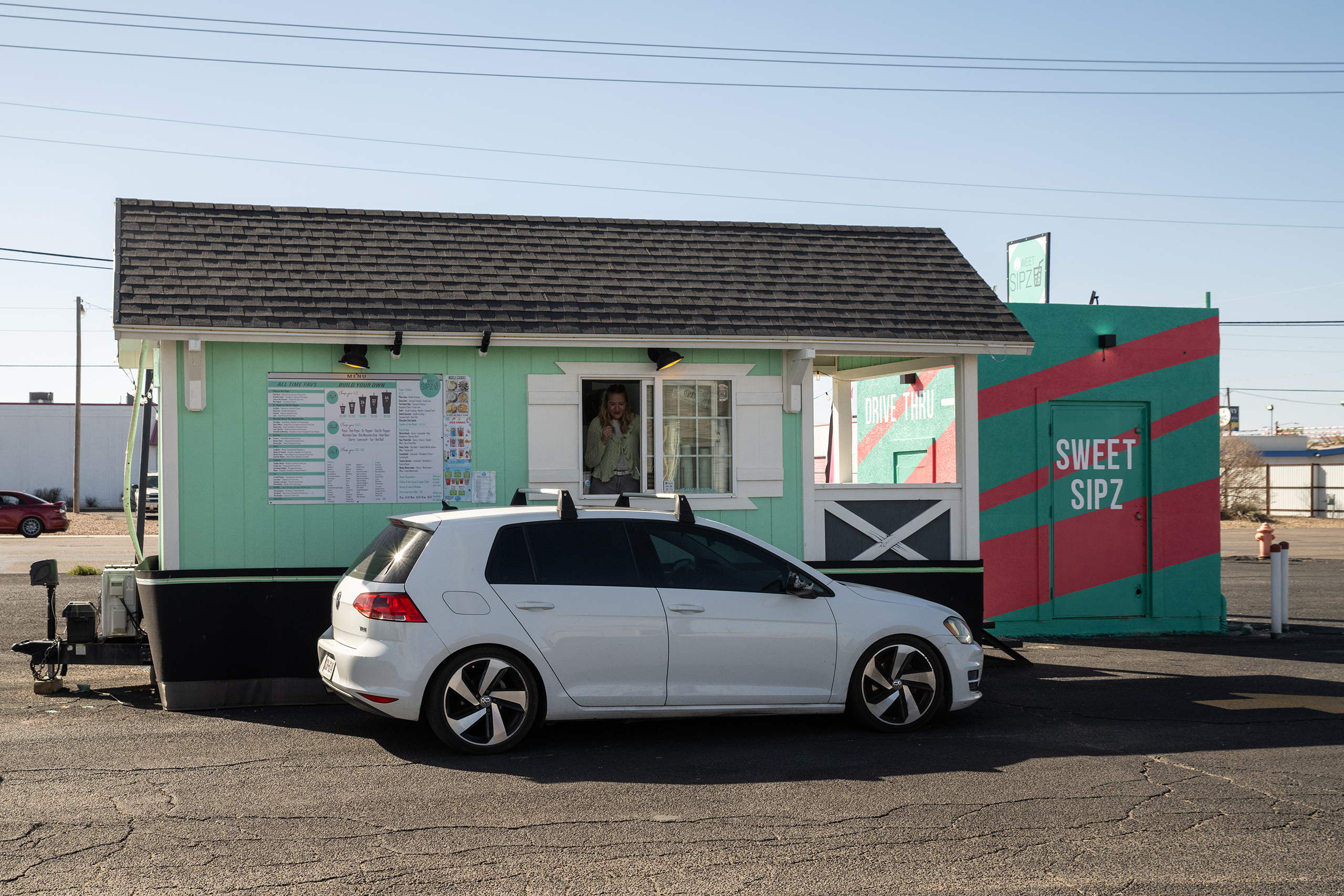
Slideshow: Sweet Sipz employee Marianne Hendricks takes a customer's order at the Sweet Sipz trailer in Amarillo on March 13, 2026. -
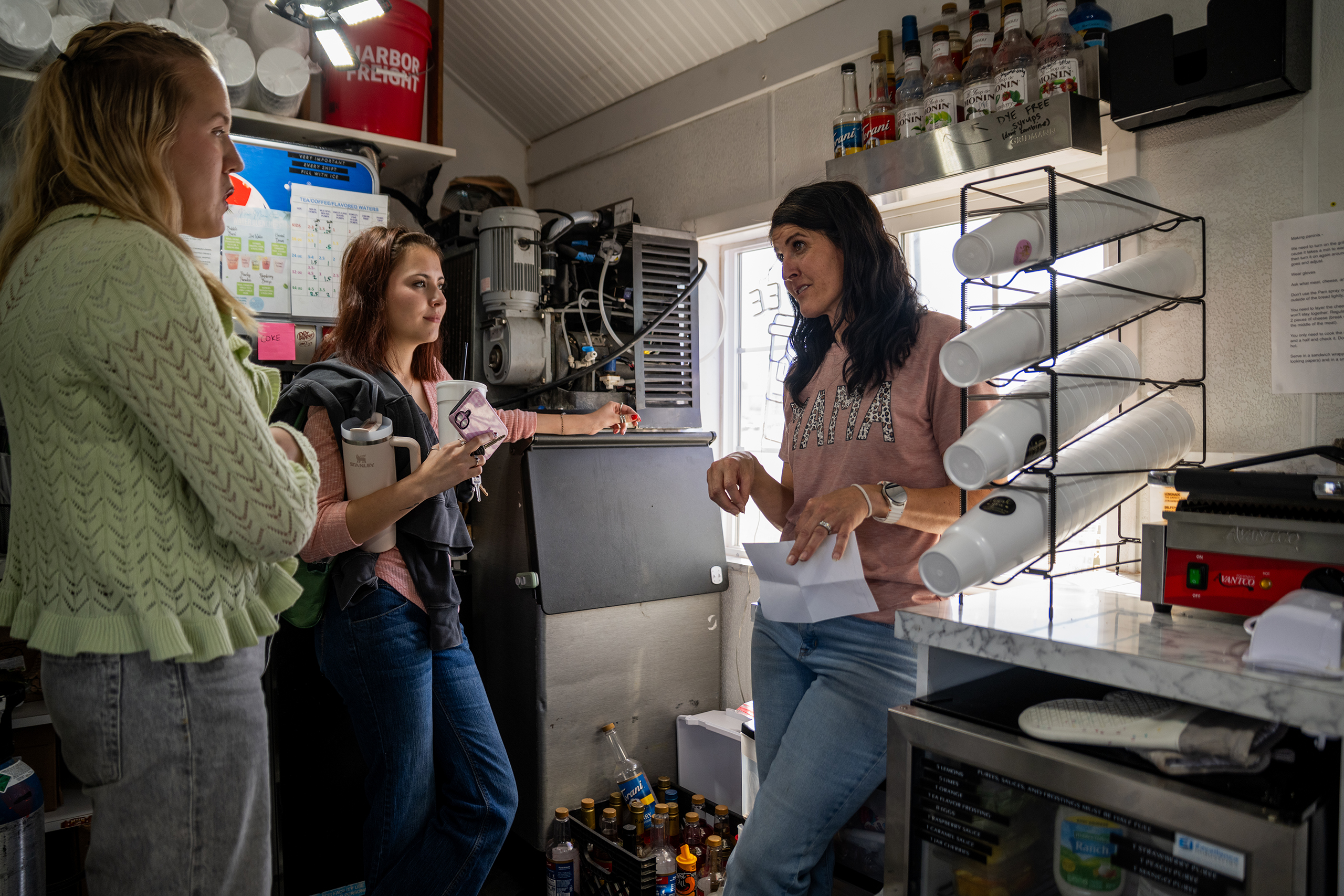
Sweet Sipz owner Darcy Marvin talks to her employees during a shift change. -
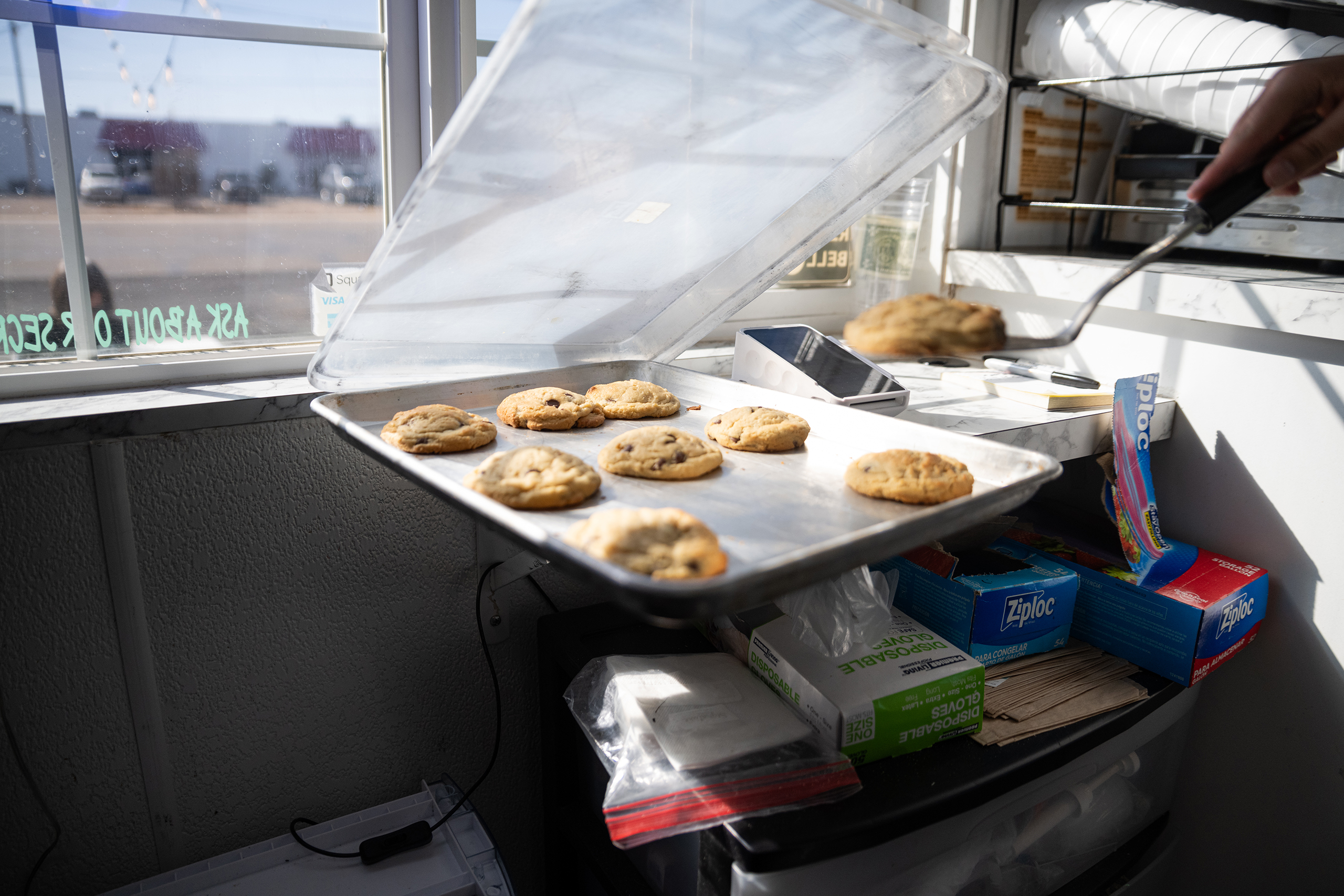
Sweet Sipz serves several kinds of cookies alongside sodas and coffee. -
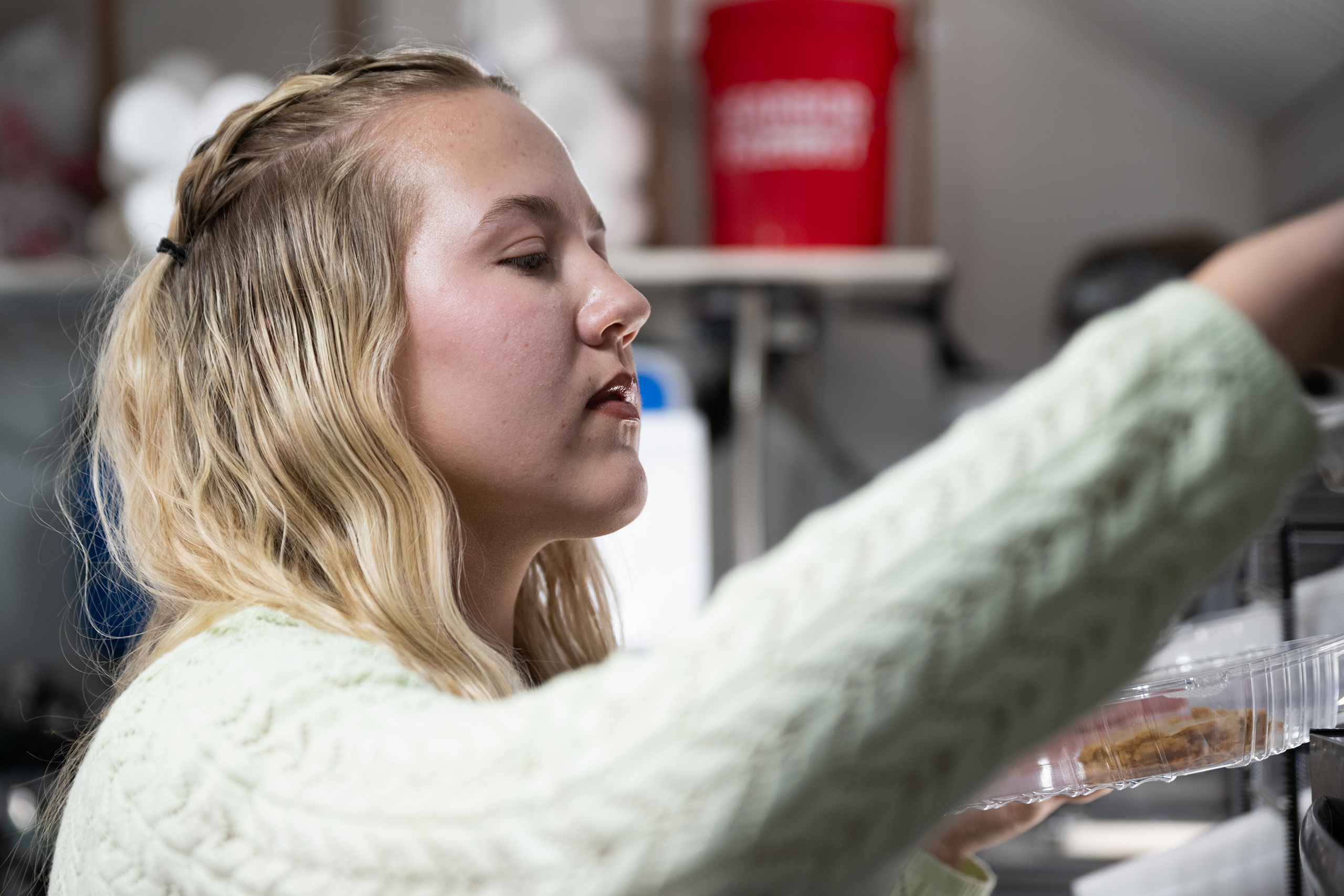
Marianne Hendricks prepares a customer's order. -

Hendricks drops a handful of gummy bears into a drink. -

A prepared drink sits on the counter waiting to be served at Sweet Sipz. -
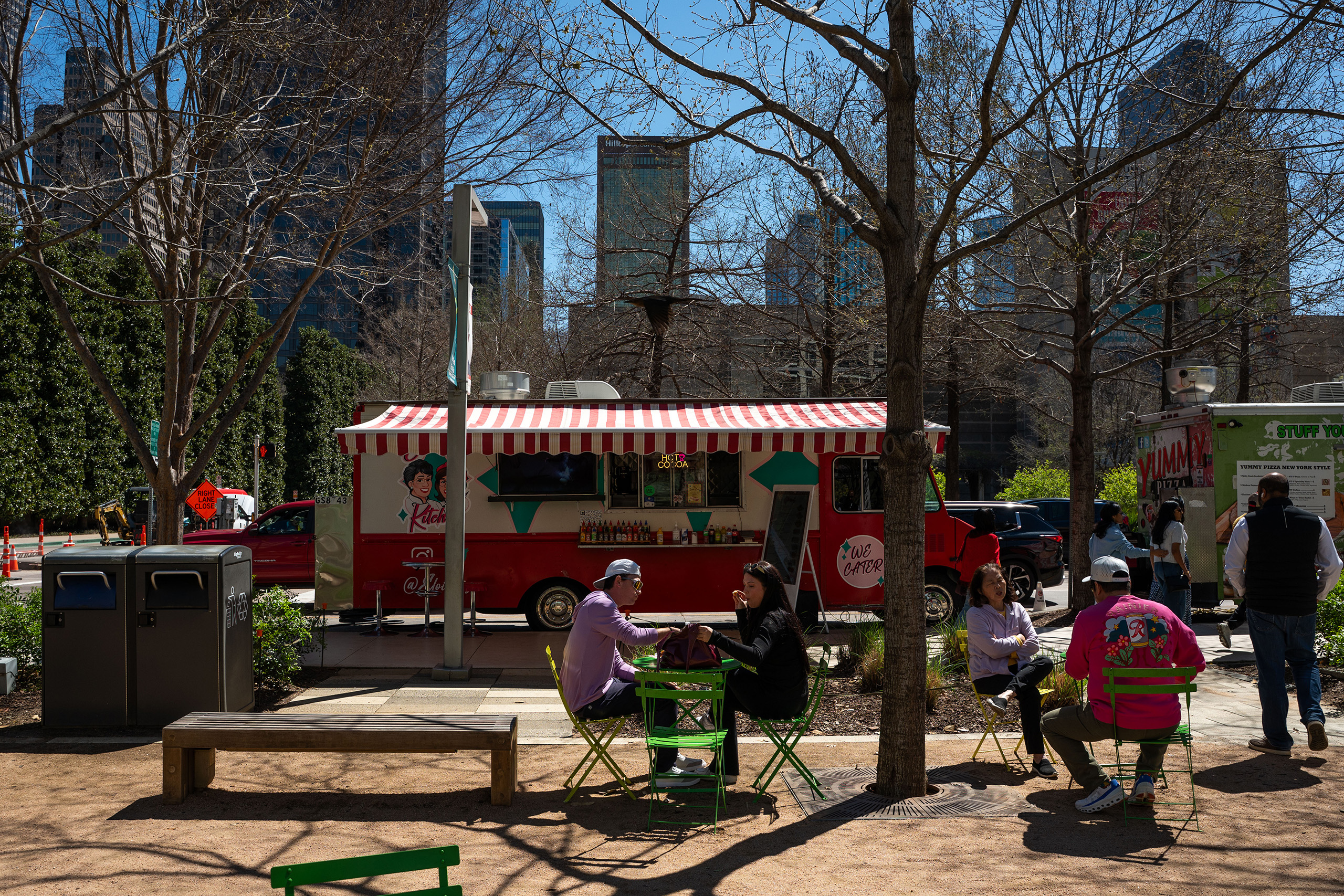
Eloisa’s Kitchen, a food truck located at Klyde Warren Park near downtown Dallas on March 12, 2026. -
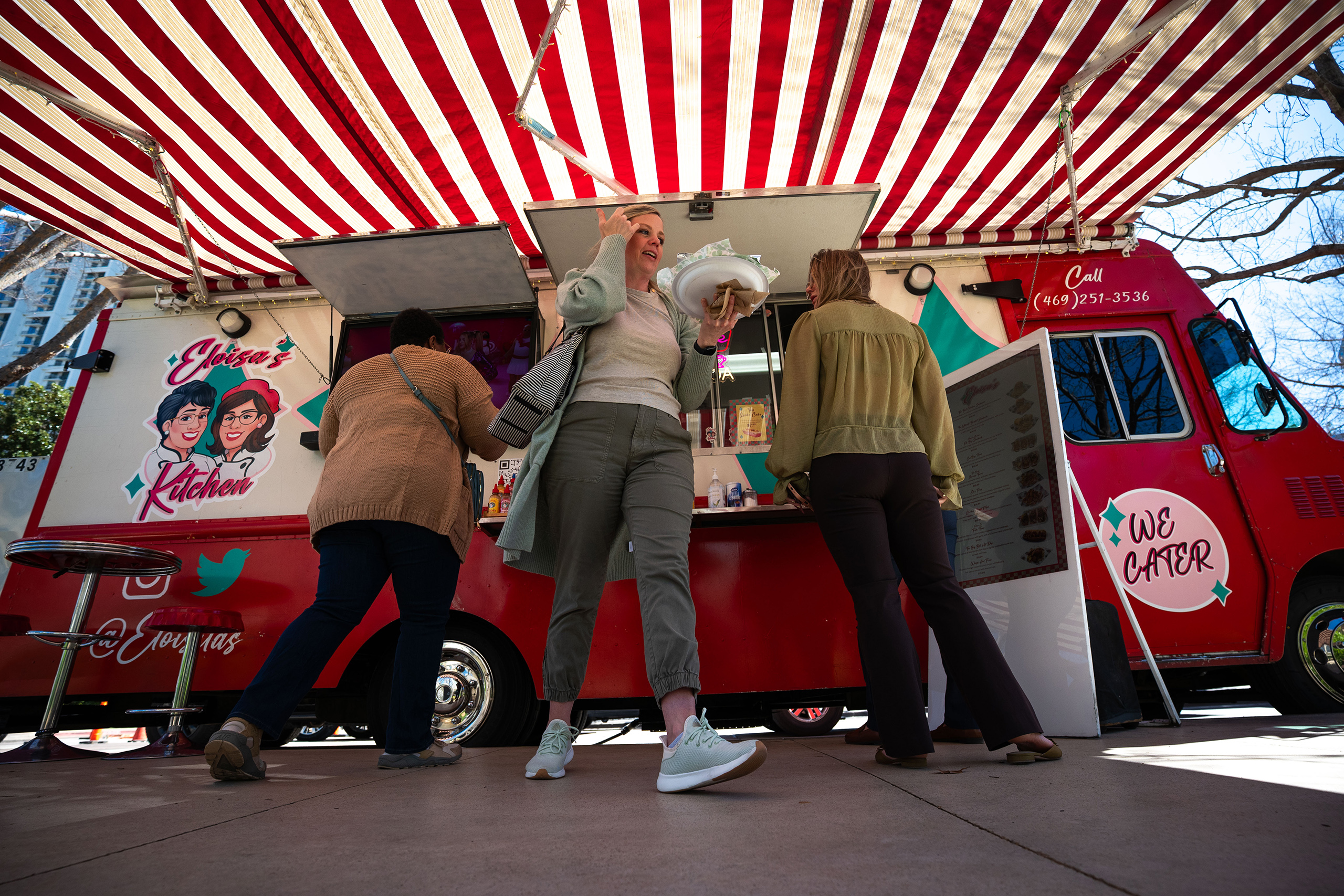
Customers outside of Eloisa’s Kitchen. -
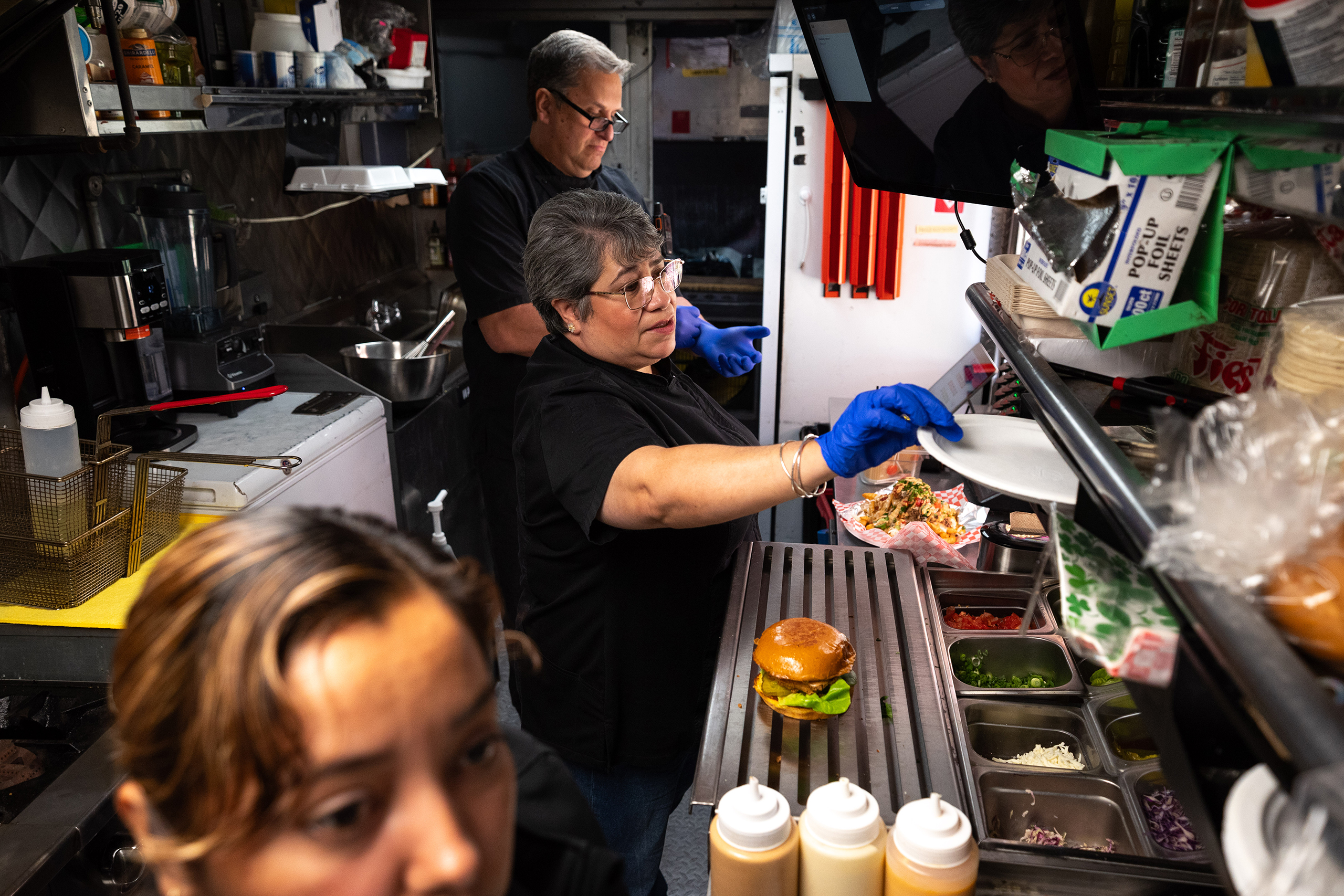
L-R: Edilma Pleitez, owner Eloisa Schessler and her husband Julio Schessler, working inside Eloisa’s Kitchen, a food truck located at Klyde Warren Park near downtown Dallas on March 12, 2026. HB 2844 creates a statewide food truck permit so that food trucks no longer have to obtain permits from individual cities where they want to do business. -
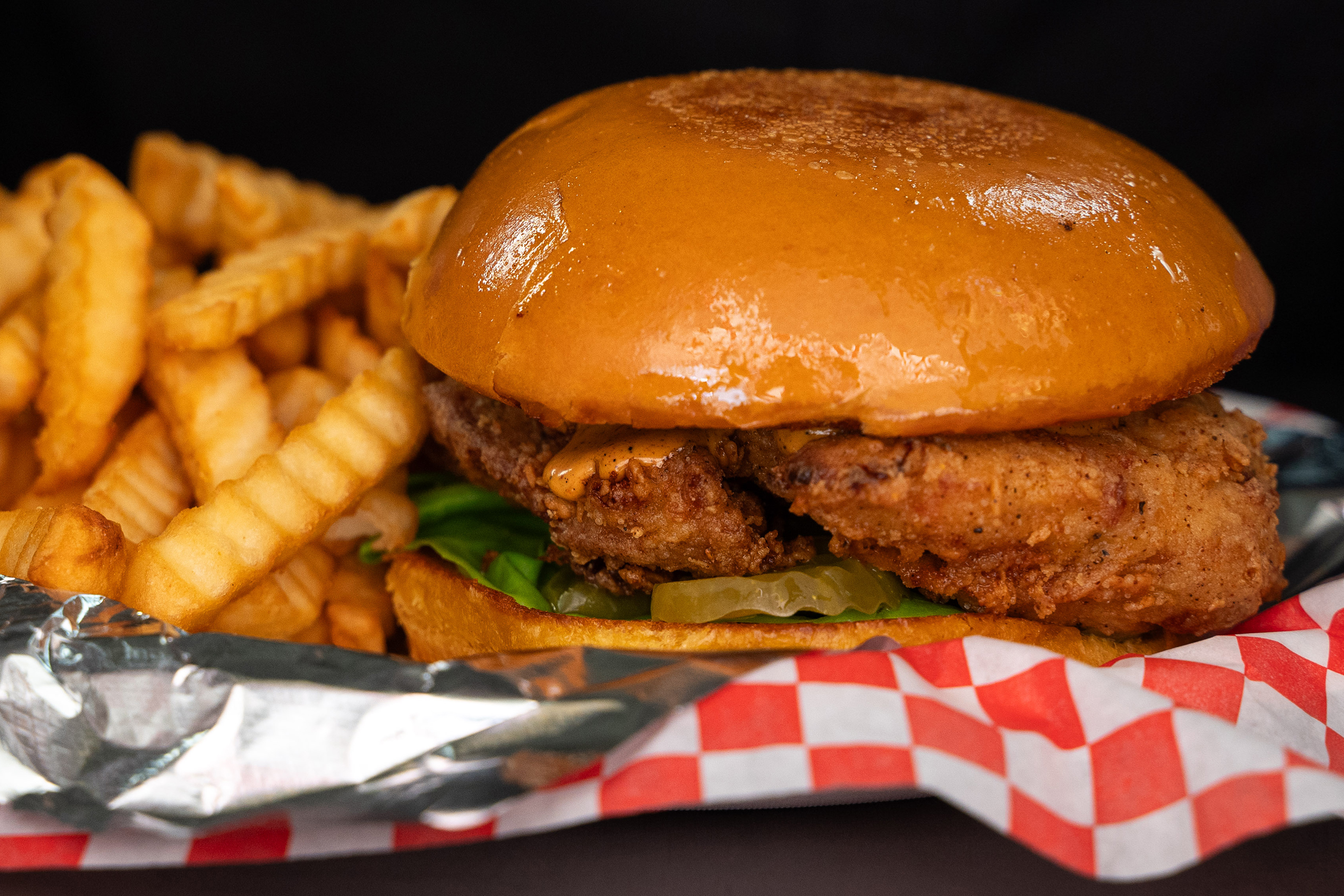
A chicken sandwich from Eloisa's.
DSHS estimates the state will make up to $17 million per year from the new statewide permit. The agency notes some food trucks, such as those selling prepackaged foods, haven’t had to pay for permitting fees in some jurisdictions and will now have to pay the statewide licensing fees to operate.
Even so, state officials expect most food trucks will benefit financially from the new license.
Being able to travel more freely without worrying about getting permits and inspections everywhere will allow them to increase their visibility across the state, food truck owners said.
“By having this license and being able to go to any part, anywhere without having to go and spend more money in order to work in that city. It just opens up a lot of doors because now we can accept more events,” Schlesser said.
This article first appeared on The Texas Tribune.
More News