Consumer Reports: How to buy or lease a car in this economy
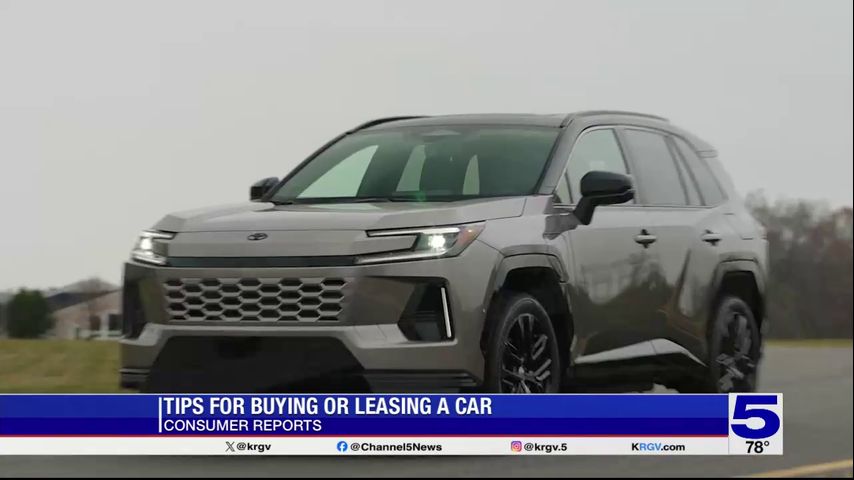
Buying or leasing a car right now can feel overwhelming. Prices remain high, interest rates haven’t come down much, and more families are struggling to keep up with car payments. That makes staying on budget more important than ever. Consumer Reports says a little preparation and patience can go a long way in protecting your finances.
New car prices are averaging around $50,000, and interest rates are hovering near 7 percent. According to Gustavo Flores-Macias, dean of the School of Public Policy at the University of Maryland, tariffs are playing a role in driving prices higher, making vehicles harder for many consumers to afford. With those pressures in mind, Consumer Reports urges shoppers to go into the process informed and cautious.
Consumer Reports closely tracks the auto market and buys 40 to 50 new vehicles each year for testing. That firsthand experience shows that the sticker price is often just the beginning. CR auto expert Keith Barry warns shoppers to watch closely for add-ons, extras, and fees that can quietly increase the final cost by hundreds or even thousands of dollars.
To get a clearer picture of what cars actually cost and what’s available, CR recommends checking manufacturer websites and using comparison tools like TrueCar, Cars.com, or Consumer Reports’ Build and Buy service. If local dealers don’t have the vehicle you want, expanding your search slightly beyond your immediate area can help—without having to travel across the country.
Financing is another area where preparation pays off. Before stepping into a dealership, it’s smart to talk with your bank or credit union. Barry says that even if a dealer offers promotional financing, having a loan quote from your own lender gives you a valuable baseline for comparison. That knowledge can help you spot a genuinely good deal—or avoid an expensive one.
Consumer Reports also cautions against very long auto loans, such as 84- or 96-month terms. While the lower monthly payment may seem appealing, the added interest over time can significantly increase the total cost of the car. Buyers considering a lease should also take time to understand the fine print, including mileage limits, end-of-lease fees, and any maintenance or repair costs that may come due when the car is returned.
Whether you’re buying or leasing, CR’s experts emphasize not feeling rushed into signing a contract. Taking the time to read and understand what you’re agreeing to can prevent costly surprises later.
Extended warranties are another expense to approach carefully. While they may offer peace of mind after a manufacturer’s warranty expires, they can add thousands of dollars to the price of a vehicle. Consumer Reports says many drivers are better off choosing a reliable model and setting aside money in an emergency fund instead.
Buying a car in today’s economy isn’t easy, but staying informed, comparing options, and resisting pressure can help consumers protect their budgets—and their peace of mind.
More News